One of the most common questions Brisbane parents ask is some version of: “My kid is interested in sport — where do we even start?” And then: “Is it too early?” And then: “What if they hate it?”
Here is the short version: sport is genuinely great for kids. It builds fitness, confidence, friendships and resilience in ways that are pretty hard to replicate anywhere else. But the timing matters, the pressure you put on it matters, and finding the right fit for your individual child matters more than starting early.
Here is a guide to the main sports available for Brisbane kids, what age they can realistically start and how to get going.
Swimming
When to start: Parent and baby classes from 6 months. Formal lessons from around 3. Squad/competitive swimming from 7 to 8.
In Brisbane, swimming is less of a sport choice and more of a survival skill. With pools, beaches and waterways everywhere, getting your kids water-safe is genuinely a priority here. Most swim schools offer lessons from 3 years old in small groups, and the earlier you start the better when it comes to water confidence.
If your child loves the water and wants to swim competitively, most Brisbane swimming clubs accept kids into their junior squads from around 7 or 8. Clubs affiliated with Swimming Queensland are a great place to start.
Football (Soccer)
When to start: Tiny Tots and MiniRoos programs from age 4 to 5.
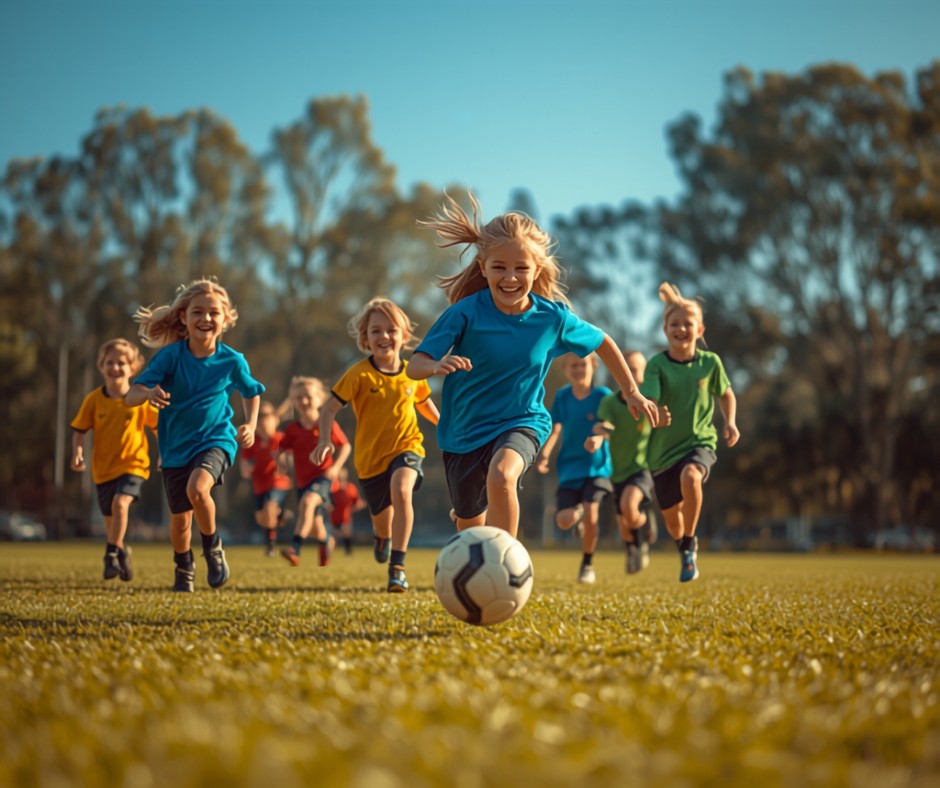
Football is the most popular junior sport in Queensland and it is easy to see why. It is accessible, social and the MiniRoos program for under-5s to under-11s is brilliantly designed to be fun first and competitive later. Games are low-pressure small-sided matches on small fields, which is exactly right for young kids.
Find your nearest club through Football Queensland. Registrations typically open in December and January for the winter season starting in March.
AFL
When to start: Auskick from age 5 to 6.
AFL Auskick is one of the best introductory sport programs going. Sessions are skill-focused and fun rather than match-based, which makes them perfect for kids who are not quite ready for a full game. By under-9s and under-10s, kids move into proper junior competitions.
Brisbane has strong AFL communities and the Lions’ junior programs are well-supported. The AFL Queensland website has a club finder to locate your nearest Auskick centre.
Cricket
When to start: Blast programs from age 5 to 6. Junior competitions from 8 to 9.
Cricket Australia’s Big Bash Blast and Junior Blasters programs are a great entry point for young kids, using modified equipment and simplified rules to make cricket accessible and genuinely fun. By the time they hit 8 or 9, most cricket clubs have proper junior competitions running through summer.
Cricket is a summer sport in Brisbane, so registrations typically open in August and September. Check Cricket Queensland for clubs near you.
Netball
When to start: Netta (modified netball) from age 5 to 8. Junior competitions from 8 to 9.
Netball is Australia’s most popular female team sport and Queensland has a huge netball community. Netta is the introductory program designed specifically for younger children, using a shorter hoop, lighter ball and simplified rules. Kids absolutely love it and it builds the fundamental skills for full netball beautifully.
Netball Queensland’s website has a club finder and season information for your area.
Tennis
When to start: Hot Shots Red ball from age 4 to 5.
Tennis Australia’s Hot Shots program is excellent. It uses slower balls and smaller courts to make the game actually playable for small kids, rather than just handing them an adult racquet and hoping for the best. Lessons are fun, skill-based and most tennis clubs run Hot Shots programs on weekends.
Brisbane has hundreds of tennis clubs and courts. Use the Tennis Australia court finder to locate classes near you.
Gymnastics
When to start: Parent and child classes from 18 months. Independent gymnastics classes from 3 to 4.
Gymnastics is one of the best foundational sports you can put a young child in. It builds body awareness, coordination, strength and flexibility that carries into every other sport they will ever try. You do not need to want your child to be an Olympian to benefit from gymnastics classes.
Brisbane has excellent gymnastics clubs and most offer recreational streams alongside competitive pathways so you can find the right level of commitment for your family.
Dance
When to start: Tiny Tots classes (ballet, jazz, hip hop) from age 2.5 to 3.
Dance covers a wide range of styles from classical ballet to hip hop to contemporary and musical theatre. Like gymnastics, it builds coordination, rhythm, strength and confidence in a way that benefits kids regardless of whether they continue dancing long term.
Most dance studios in Brisbane offer recreational and performance streams, so whether your child wants to dance for fun or perform in concerts and competitions, there is a pathway available.
Martial Arts
When to start: Many studios accept children from age 3 to 4.
Karate, taekwondo, judo, Brazilian jiu-jitsu, kung fu — martial arts programs for kids focus heavily on discipline, respect and self-confidence alongside the physical skills. Parents consistently report that martial arts has a noticeably positive effect on focus and behaviour at home and school.
Brisbane has excellent martial arts academies across all styles. Most offer trial classes so your child can find the style that suits their personality before committing.
Basketball
When to start: Aussie Hoops and junior programs from age 5 to 6.
Basketball is growing fast in Brisbane and the Bullets have done a lot to build junior participation across the region. Aussie Hoops is the introductory program for younger kids and most Basketball Queensland clubs run junior competitions from under-8s upward.
The sport is ideal for kids who love fast-paced, high-energy play and it can be enjoyed year-round in Brisbane as most courts are either covered or indoor.
Rugby League and Rugby Union
When to start: Junior touch footy from age 5. Tackle rugby from around 6 to 7.
Queensland is rugby league country, and most Brisbane kids have the option to play through their local junior league club from an early age. Touch football is a great introduction for younger kids before they move into the contact game, and many children play touch footy recreationally well into their teens.
Rugby union is also well-represented in Brisbane, particularly in the southern and eastern suburbs. Both codes have strong junior club networks and the camaraderie in junior rugby teams tends to be genuinely special.
How to Choose the Right Sport
The best sport for your child is the one they want to do. Not the one you loved at their age. Not the one their friends are doing. The one that lights them up when they talk about it. That said, here are a few practical considerations:
- Team vs individual: Some kids thrive on team energy and some prefer individual achievement. Neither is better, but knowing your child helps.
- Contact vs non-contact: Some kids love the physicality of footy or martial arts. Others are not built for it and that is completely fine.
- Seasonal vs year-round: Brisbane’s mild winters mean most outdoor winter sports are very manageable, but it is worth checking season timing before committing.
- Commitment level: Start recreational before competitive. A child who burns out at 7 because of too much training intensity is less likely to stick with sport long-term than one who builds gradually.
What If They Want to Quit?
This one comes up a lot. The general wisdom is: finish the season, then reassess. Walking out mid-season is rarely the right move, but forcing a child to continue a sport they genuinely dislike season after season achieves nothing except teaching them to resent exercise.
If they finish a season and do not want to go back, try something different. Most kids will find their thing if you give them enough options and enough time. The goal is for them to love being active, not to master one specific sport.
And sometimes the sport they end up loving at 14 is one they have never tried yet. Keep the door open.
 Brisbane Family Life